
How HACCP Temperature Monitoring Prevents Food Safety Risks
What is HACCP temperature monitoring, and why does it matter?
HACCP temperature monitoring is the routine checking and recording of temperatures at critical points in a food process. It matters because temperature is one of the most controllable drivers of microbial growth.
When a temperature monitoring system is used consistently, teams can show they followed a safe process—not just that they “tried.” That evidence is often what separates a minor issue from a serious incident.
Which food safety risks does temperature monitoring actually prevent?
It mainly prevents pathogen growth and toxin formation caused by time and temperature abuse. Risks include faster growth of Salmonella, Listeria, E. coli, and other organisms when food sits too warm for too long.
It also reduces the risk of undercooking, slow cooling, and warm holding failures. These are common breakdown points where unsafe food can look and smell normal.
Where are the most important temperature “critical control points”?
They are usually found where a process can either eliminate hazards or allow them to multiply quickly. Typical critical points include receiving chilled and frozen goods, cold storage, cooking, hot holding, cooling, reheating, and delivery.
They often also include high-risk steps like thawing, buffet service, and preparation of ready-to-eat foods. The exact points depend on the product and workflow.
How does monitoring stop problems before they become incidents?
It stops problems by making deviations visible in real time, not after complaints or illness reports. When a log shows a cooler trending warm, staff can move product, adjust equipment, or call maintenance before food is compromised.
It also prevents “silent failures” like slow cooling in deep containers. Without checks, food can spend hours in unsafe ranges without anyone noticing.
What temperatures and limits should teams typically control?
They typically control cold storage at safe refrigeration levels, frozen storage at stable freezing conditions, and hot holding at temperatures that prevent growth. They also verify cooking, cooling, and reheating meet their plan’s limits.
Since limits vary by jurisdiction, product, and hazard analysis, they should follow their approved HACCP plan and local food code. The key is using clear critical limits that staff can check quickly. Learn more about how digital food safety management improves compliance.
What monitoring methods work best in real kitchens and facilities?
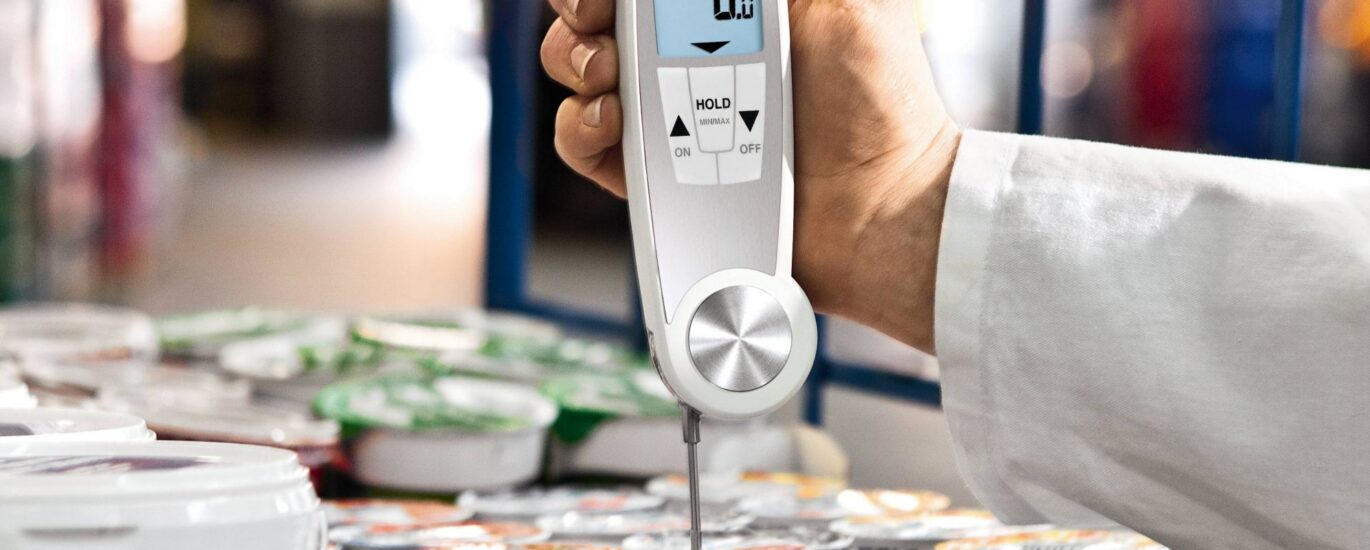
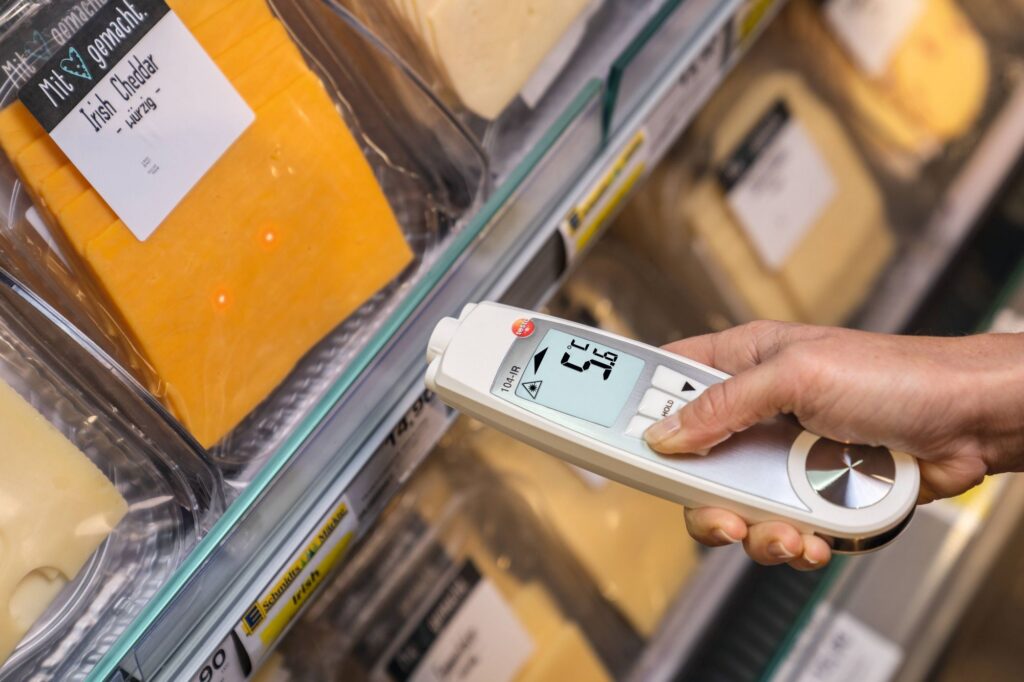
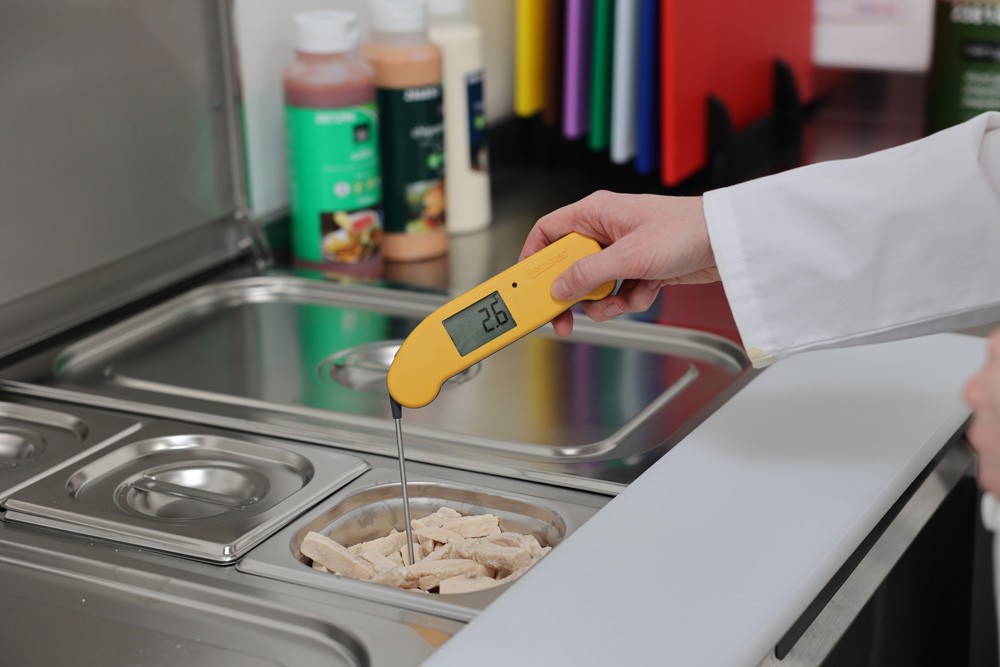
They usually combine quick manual checks with continuous monitoring where it matters most. Manual probes are useful for cooking, reheating, and product checks because they measure internal temperatures directly.
Continuous sensors are often best for cold rooms, freezers, and transport because they detect gradual drift and overnight failures. The best method is the one they can execute consistently with trained staff and calibrated tools.
How do records and corrective actions reduce risk and liability?
They reduce risk by forcing a decision when something goes out of limit: hold, reheat, cool properly, discard, or investigate. A corrective action step prevents “maybe it’s fine” from becoming a customer exposure.
They reduce liability by creating traceable proof of control. If an inspector, customer, or auditor asks what happened, records show what was monitored, what failed, and what was done to prevent recurrence.
What are common mistakes that make temperature monitoring fail?
They fail when checks are too infrequent, rushed, or done “for the log” rather than for control. They also fail when staff use uncalibrated probes or measure the wrong spot, such as surface temperature instead of internal.
Another common failure is recording numbers without thresholds or actions. If nobody knows the limit or the response, monitoring becomes paperwork, not prevention.
Related : Common mistakes in industrial temperature monitoring.
How can they improve a HACCP monitoring program quickly?
They can improve quickly by tightening the critical points to the few steps that matter most and making limits easy to understand. They should also standardize where, when, and how temperatures are taken, then train to that standard.
They can add simple triggers like “if out of limit, product is held and labeled” and require a documented corrective action. Small, repeatable habits usually outperform complicated systems.
What is the simplest takeaway for reducing food safety risk?
The simplest takeaway is that temperature monitoring turns food safety into a controlled process. When teams consistently measure, record, and act, they prevent the most common time and temperature failures that cause unsafe food.
FAQs (Frequently Asked Questions)
What is HACCP temperature monitoring and why is it essential for food safety?
HACCP temperature monitoring involves routinely checking and recording temperatures at critical points in food processing. It is essential because controlling temperature effectively prevents microbial growth, ensuring food remains safe throughout storage, preparation, cooking, cooling, and transport.
Which food safety risks are prevented by proper HACCP temperature monitoring?
Proper temperature monitoring prevents risks like pathogen growth and toxin formation caused by time and temperature abuse. It reduces the chances of contamination from Salmonella, Listeria, E. coli, undercooking, slow cooling, and warm holding failures—common issues where unsafe food may appear normal.
Where are the critical control points for temperature monitoring in food handling?
Critical control points typically include receiving chilled and frozen goods, cold storage areas, cooking stages, hot holding, cooling processes, reheating steps, delivery phases, thawing, buffet service, and preparation of ready-to-eat foods. These points vary based on the product and workflow but are where hazards can be eliminated or multiply rapidly.
How does real-time HACCP temperature monitoring prevent food safety incidents?
Real-time monitoring makes deviations visible immediately so staff can take corrective actions such as moving products or adjusting equipment before contamination occurs. This approach prevents silent failures like slow cooling in deep containers that might otherwise go unnoticed until after a problem arises.
What temperatures and limits should be controlled according to HACCP guidelines?
Teams should maintain cold storage at safe refrigeration levels, frozen storage at stable freezing conditions, and hot holding at temperatures that inhibit microbial growth. Cooking, cooling, and reheating must meet specific limits outlined in their approved HACCP plan and local food codes to ensure safety.
What are effective methods for HACCP temperature monitoring in kitchens and facilities?
A combination of quick manual checks with calibrated probes for cooking and reheating alongside continuous sensors for cold rooms, freezers, and transport works best. The chosen methods should be consistently executed by trained staff using reliable tools to ensure accurate temperature control.
