
What to Look for in a Scalable Digital Food Safety System
What does “scalable” actually mean in food safety software?
It means the system can support more sites, more users, and more records without slowing down or becoming messy. It should also handle different workflows across locations while keeping reporting and governance consistent.
Scalability is not just “adding licenses.” It is being able to roll out new forms, policies, and corrective actions across the network quickly and reliably.
Can they standardize processes without forcing every site to work identically?
They should be able to standardize the essentials while allowing controlled local variation. A strong food safety quality and compliance management software system supports global templates with site-level configuration, so teams can respect different menus, equipment, and regulations.
The goal is consistent outcomes, not identical paperwork. Look for structured form builders, version control, and approval flows for changes.
How well does it support HACCP, preventive controls, and audit readiness?
They should be able to map hazards to controls, link monitoring to corrective actions, and store verification evidence in one place. The system should make it easy to show “what was done, when, by whom, and what happened next.”
Audit readiness improves when records are searchable, complete, and time-stamped. It also helps when policies, training, and corrective actions are connected to the same dataset.
Will it reduce daily admin for frontline teams?
It should make checks faster than paper, not slower. The best systems use mobile-first workflows, pre-filled fields, smart prompts, and minimal typing, so teams can complete tasks during service.
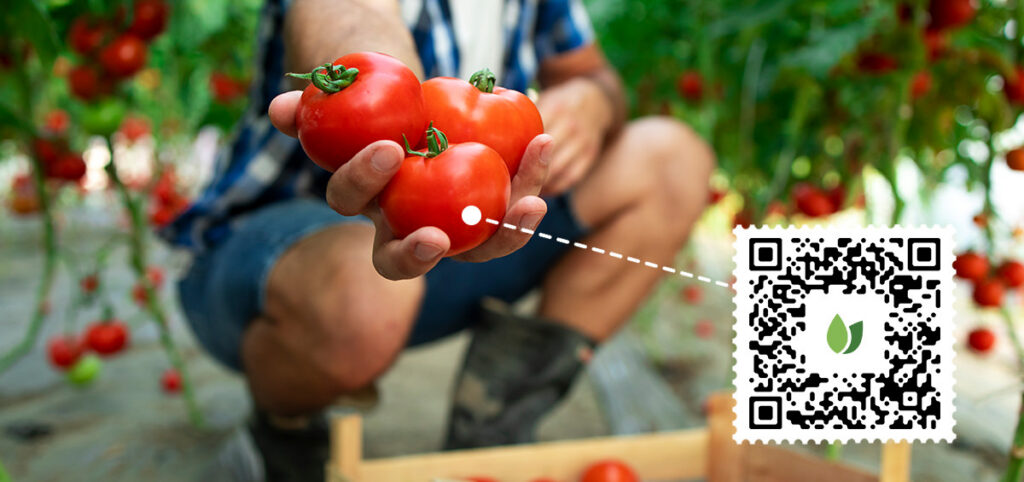
Look for features like photo capture, barcode or QR scanning, offline mode, and automatic reminders. If staff need a laptop for routine logs, adoption often suffers.
Does it capture data accurately and prevent “pencil whipping”?
They should support guardrails that improve data integrity. Examples include required fields, acceptable ranges, exception prompts, geolocation, time stamps, and device-level accountability.
It also helps when the system nudges users toward correct actions, such as forcing a corrective action when a temperature fails, rather than letting them submit a bad record with no follow-up.
How strong are alerts, escalations, and corrective action workflows?
They should detect issues in real time and route them to the right people. A scalable system supports tiered escalation, so unresolved issues move from shift lead to manager to regional QA automatically.
Corrective actions should be structured, track due dates, and require evidence of completion. Teams should be able to see open actions across all sites, not just locally.
Can they integrate with equipment, sensors, and other business systems?
They should support integrations that remove manual entry where it matters. Common examples include temperature sensors, data loggers, calibration tools, scheduling systems, ERP, and supplier platforms.
At minimum, they should offer APIs, webhooks, or native connectors. Integration is often what separates a “digital clipboard” from a system that scales with minimal overhead.

What reporting and analytics will help them manage multiple locations?
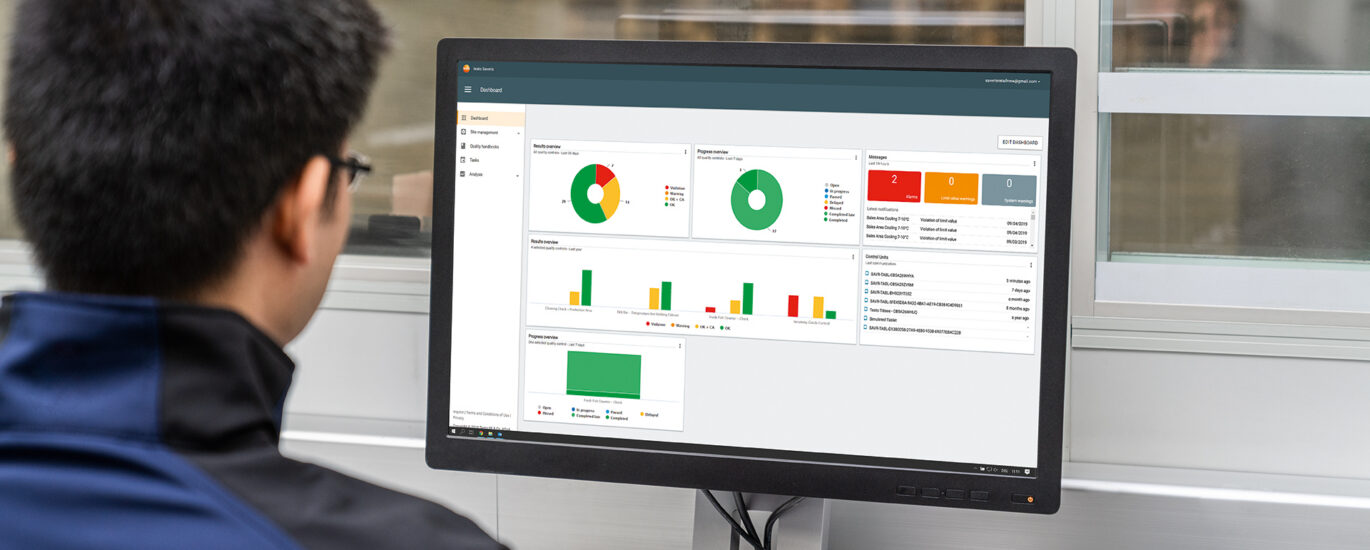
They should be able to see performance by site, region, and brand, with drill-down to the exact record behind a KPI. Useful dashboards include completion rates, top recurring failures, corrective action aging, and trend lines for key controls.
Scalable reporting also means consistent definitions. If “cooling compliance” is calculated differently per site, leadership loses trust in the numbers.
How does it handle roles, permissions, and governance at scale?
They should control who can view, edit, approve, and export information across the organization. Role-based access should be granular enough to separate site staff, managers, QA, and auditors.
Governance features like change logs, form versioning, and approval workflows matter more as the organization grows. Without them, teams end up with uncontrolled forms and inconsistent practices.
Will it support training, competency, and policy acknowledgment?
They should be able to link training to tasks and verify that the right people are qualified for the right checks. Strong systems support digital SOP access, acknowledgment tracking, refresher reminders, and training evidence tied to roles.
This matters during audits and incident investigations. It is easier to defend a process when they can show who was trained, on what, and when.
What should they check about usability, rollout speed, and vendor support?
They should expect a system that can be deployed site-by-site without heavy IT involvement. Good onboarding includes templates, implementation guidance, and practical support for change management.
Usability should be tested with real frontline staff, not just managers. Vendor support should be responsive, with clear SLAs, a product roadmap, and proof that they can handle multi-site customers.
Other resources : Traceability Food Safety: Why End-to-End Visibility Protects Brands
How can they evaluate security, compliance, and data ownership?
They should verify basics like encryption, access controls, backups, and audit trails. They should also ask where data is hosted, how long it is retained, and how exports work if they ever switch vendors.
Data ownership and portability matter for long-term scalability. If they cannot easily extract records and reports, the system becomes a risk instead of a safeguard.
What is the simplest way to shortlist the right system?
They should pick a system that frontline teams will actually use, leadership can govern, and QA can trust in an audit. A practical shortlist typically includes tools that offer mobile-first workflows, strong corrective actions, reliable analytics, and flexible multi-site governance.
If it scales operationally, not just technically, it will keep working as locations, menus, and compliance demands grow.
FAQs (Frequently Asked Questions)
What does scalability mean in digital food safety software?
Scalability means the system can support an increasing number of sites, users, and records without slowing down or becoming disorganized. It handles different workflows across locations while maintaining consistent reporting and governance, enabling quick and reliable rollout of new forms, policies, and corrective actions across the network.
Can a scalable food safety system standardize processes without forcing identical workflows at every site?
Yes, a strong scalable system standardizes essential processes while allowing controlled local variations. It supports global templates with site-level configuration to respect differences in menus, equipment, and regulations. The focus is on achieving consistent outcomes rather than identical paperwork, using features like structured form builders, version control, and approval flows for changes.
How does a scalable digital food safety system support HACCP, preventive controls, and audit readiness?
Such systems enable mapping hazards to controls, linking monitoring activities to corrective actions, and storing verification evidence centrally. They provide clear records of ‘what was done, when, by whom, and what happened next.’ Audit readiness is enhanced through searchable, complete, time-stamped records connected with policies, training, and corrective actions within the same dataset.
Will implementing a scalable digital food safety system reduce daily administrative tasks for frontline teams?
Yes. The best systems use mobile-first workflows with pre-filled fields, smart prompts, minimal typing requirements, photo capture, barcode or QR scanning, offline mode capabilities, and automatic reminders. These features make food safety checks faster than paper-based methods and allow frontline staff to complete tasks efficiently during service without needing laptops for routine logs.
How do scalable food safety systems ensure data accuracy and prevent falsification like ‘pencil whipping’?
They incorporate guardrails such as required fields, acceptable value ranges, exception prompts, geolocation tracking, time stamps, and device-level accountability to improve data integrity. Additionally, they nudge users toward correct actions by enforcing necessary steps—such as mandating corrective actions when temperatures fail—thereby preventing submission of incomplete or inaccurate records without follow-up.
What reporting and analytics capabilities should a scalable digital food safety system offer for managing multiple locations?
The system should provide performance visibility by site, region, and brand with drill-down access to specific records behind KPIs. Useful dashboards include completion rates, top recurring failures, corrective action aging reports, and trend lines for key controls. Consistent definitions across locations are essential to maintain leadership trust in the reported numbers.
